
Breaking the Mask: Walking in Truth When You’ve Been Living a False Identity
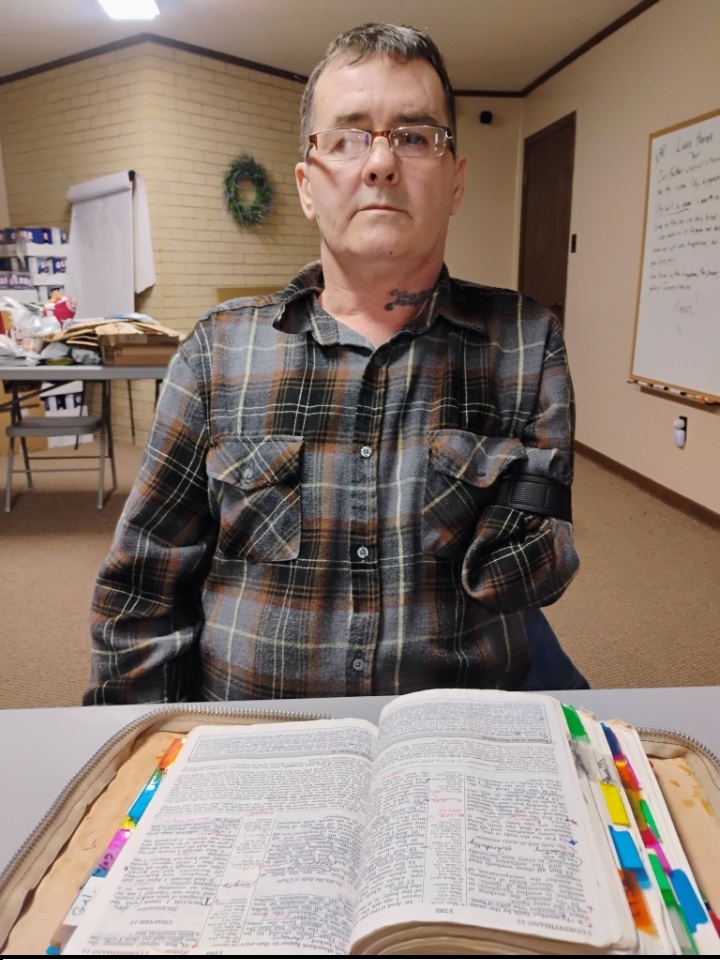
By Pastor Joel – Open Heaven Christian Church – Fisher, Arkansas
A “false identity” isn’t just someone pretending for fun—it’s usually a psychological adaptation.
People construct identities that don’t fully match reality because it serves a purpose for them.
The reasons tend to cluster into a few core mechanisms:
1. Self-protection (defense mechanisms)
When someone feels inadequate, rejected, or exposed, they may build a more acceptable version of themselves. In psychology this overlaps with concepts like impression management and ego defense. Instead of confronting painful truths (“I’m insecure,” “I failed,” “I’m afraid”), they present a version that shields them from judgment.
2. Desire for approval and belonging
Humans are social. If a person believes their real self won’t be accepted, they adapt. This can be subtle (changing opinions to fit a group) or extreme (fabricating beliefs, values, or even a moral persona). Social media amplifies this—people curate identities that generate validation.
3. Cognitive dissonance reduction
When behavior and beliefs don’t align, it creates psychological tension. Rather than changing behavior (which is harder), some people adjust their identity narrative. For example, someone acting unethically may still claim to be “a good person” and reinterpret their actions to fit that identity.
4. Power, control, or advantage
A false identity can be strategic. People may present themselves as more righteous, competent, or authoritative than they are to gain influence, trust, or status. This shows up in religion, business, and personal relationships.
5. Habitual self-deception
Over time, repeated pretending can become internalized. The person isn’t always consciously “lying”—they’ve convinced themselves. This is why some people genuinely believe their own contradictions.
6. Unresolved internal conflict
If someone hasn’t integrated their values, emotions, and behavior, they fragment. One part of them wants to appear moral or spiritual; another part continues harmful behavior. The “false identity” is the polished surface covering that internal division.
Why people keep doing it
Once a false identity is established, it tends to persist because:
It works (short-term): they get acceptance, avoid consequences, or maintain status.
Admitting the truth is costly: it would require humility, change, and possibly losing relationships or reputation.
Psychological inertia: the longer someone lives in a false identity, the harder it is to dismantle it. But with the help of God nothing is impossible.
A grounded takeaway
Most people with false identities aren’t masterminds—they’re managing fear, pride, or insecurity in inefficient ways. But that doesn’t make the behavior harmless. It creates distrust, damages relationships, and often escalates into hypocrisy if left unchecked.
If you’re dealing with this in others, the key is discernment: don’t take claims at face value—watch “patterns of behavior” over time. If you’re analyzing it more broadly, it’s essentially a trade-off between truth and comfort, and many people choose comfort until reality forces a correction in them when they realize that they are or have become empty within and the unresolved emptiness must be dealt with by truth found in scripture when reality strikes them in the face.
When a person can come to the realization of “knowing” what is true, then they can become free.
John 8:32 “And ye shall know the truth, and the truth shall make you free.”
There is a quiet struggle many people carry—one that isn’t always visible on the surface. It’s the tension between who they present themselves to be and who they truly are.
This is what we call a false identity. It can look polished, spiritual, confident, or even righteous—but underneath, there is often fear, conflict, exhaustion, and an emptiness inside that seems it cannot be filled or satisfied by the “false identity” that has led them astray from reality and from God.
The truth is, God is not fooled by appearances—but He is also not waiting to condemn you. He is calling you into truth, freedom, and restoration. God wants you to be free from any identities that have you bound.
“And ye shall know the truth, and the truth shall make you free.” — John 8:32 (KJV)
This is not about exposing you to shame—it’s about inviting you into freedom.
1. The Mask of Self-Protection
Many people build a false identity to protect themselves from pain, rejection, abandonment, or exposure. Instead of being honest about weakness, they present strength. Instead of admitting their fears, they project confidence. Over time this all builds up and creates a void or emptiness that cannot be satisfied until they are free from living their life in false identities that produce nothing but an emptiness.
But Scripture shows us a different path:
“He that covereth his sins shall not prosper: but whoso confesseth and forsaketh them shall have mercy.” — Proverbs 28:13
God does not require perfection—He responds to honesty. The moment you stop hiding is the moment healing can begin.
Inner healing starts with truth and Jesus is the only one that can truly make you free.
John 8:36 “If the Son therefore shall make you free, ye shall be free indeed”
Jesus came to free us from all lies and deception and this freedom begins with truths that Jesus taught. One truth that Jesus taught was “deliverance” from oppression and possession from demons that oppress peoples lives. This is also why God sent Jesus into the world.
Acts 10:38 “How God anointed Jesus of Nazareth with the Holy Ghost and with power: who went about doing good, and healing all that were oppressed of the devil; for God was with him.”
Jesus is the one who can make you free from all demonic oppression, and Jesus is the only one that can heal you. No man or ministry on earth has this power, Only Jesus!
2. The Need for Approval and Acceptance
Some people shape their identity based on what others will accept. They adjust their beliefs, words, and even their faith to fit in or be admired.
But living for people will always conflict with living for God:
“For do I now persuade men, or God?… for if I yet pleased men, I should not be the servant of Christ.” — Galatians 1:10
Your identity was never meant to be built on approval of people—it is meant to be rooted in truth. God’s acceptance is not based on your performance, but on your surrender to God and His will.
3. The Struggle of Inner Contradiction
A false identity often grows when actions and beliefs don’t match. A person may claim righteousness while living in ways that contradict it. This creates internal tension.
“This people draweth nigh unto me with their mouth… but their heart is far from me.” — Matthew 15:8
This isn’t written to destroy—it’s written to awaken. God is not interested in outward appearance alone; He is after the heart. Alignment between belief and behavior brings peace.
4. Using Identity for Control or Image
Sometimes identity is used as a tool—to gain influence, appear spiritual, or maintain authority. This is especially dangerous when God’s name is used to support a false image. Yet many today do this so they can be in or maintain control. Many church leaders also do this and place entire congregations under heavy burdens that God never intended for them to carry.
“Having a form of godliness, but denying the power thereof.” — 2 Timothy 3:5
True godliness is not performance—it is transformation. It’s not about appearing righteous, but becoming changed from within as one aligns themselves with truth.
5. When Pretending Becomes Believing
Over time, repeated falsehood can become internalized. A person may no longer feel like they are pretending—they believe their own narrative.
“The heart is deceitful above all things, and desperately wicked: who can know it?” — Jeremiah 17:9
This is why truth must come from God’s Word—not from our own perception. Scripture acts as a mirror, revealing what we cannot see on our own.
6. The Root: Unresolved Inner Conflict
At the core of a false identity is often division within the heart. A desire to follow God exists—but so does attachment to behaviors or attitudes that oppose Him.
“A double minded man is unstable in all his ways.” — James 1:8
God does not call you to live divided or a “split personality” that pleases others. He calls you to wholeness. That wholeness begins when you stop trying to maintain two identities and choose truth fully. When you decide to no longer live like this and you grab a hold of the truth until you become free!
You must resolve this conflict that is within by deciding to come humbly before God and seek ask Him to deliver you from all oppressing spirits that are tormenting you from within.
Jesus taught and empowered the disciples to go out into the world to help others and bring healing to their lives by “casting out” the devils that were oppressing them so others can be healed.
Matthew 10:1 “And when he had called unto him his twelve disciples, he gave them power against unclean spirits, to cast them out, and to heal all manner of sickness and all manner of disease.”
The word power in this verse is “authority” to do this, the disciples knew that it was not by their power that they can cast out these oppressing demons, but the power of God doing the works needed for others to be healed.
Jesus is the only one who has the real power to heal all manner of sickness and disease. Jesus is “Christ” meaning anointed one.
So How Do You Begin Living Truthfully?
This is where encouragement matters: you are not stuck.
God does not expose false identity to destroy you—but to free you.
1. Start with honesty before God
You don’t need polished words. Just truth.
“Search me, O God, and know my heart… and see if there be any wicked way in me.” — Psalm 139:23–24
2. Align your life with His Word
Truth is not based on feelings—it’s grounded in Scripture.
“Sanctify them through thy truth: thy word is truth.” — John 17:17
3. Accept grace, not condemnation
Recognizing a false identity is not failure—it’s awakening.
“There is therefore now no condemnation to them which are in Christ Jesus…” — Romans 8:1
4. Walk in consistency, not perfection
Transformation is a process. What matters is direction, not instant perfection.
“But be ye doers of the word, and not hearers only, deceiving your own selves.” — James 1:22
Final Thought: Truth Leads to Freedom, Not Shame
A false identity may feel safe—but it is a prison. Truth may feel uncomfortable at first—but it leads to freedom, peace, and real relationship with God.
God is not asking you to perform.
He is asking you to be real. This is the only acceptable way one must worship God.
John 4:24 “God is a Spirit: and they that worship him must worship him in spirit and in truth.”
And when you come to Him in truth, and ask the Lord to deliver us, he will. You won’t find rejection—you will find mercy, transformation, and a new identity grounded in Him.
“If any man be in Christ, he is a new creature: old things are passed away; behold, all things are become new.” — 2 Corinthians 5:17
This is what the scripture says about anyone who will call on the Lord for their deliverance…
Joel 2:32 “And it shall come to pass, that whosoever shall call on the name of the LORD shall be delivered: for in mount Zion and in Jerusalem shall be deliverance, as the LORD hath said, and in the remnant whom the LORD shall call.”
Will you call on Jesus today?
God bless you and I pray this teaching has blessed your understanding of God and His Word!
Inspirational message